IAMS MY
cat-articcat article detail bannerle-detail-banner

cat-articcat article detail bannerle-detail-banner
-mob

adp_description_block47
AAFCO Statements Explained

  • Share

What is AAFCO?

The Association of American Feed Control Officials (AAFCO) was formed in 1909 to establish a framework for uniform regulation of the feed industry. Although not a government agency, AAFCO operates within the guidelines of federal and state legislation including laws administered by the Food and Drug Administration (FDA) and the U.S. Department of Agriculture (USDA).


What Does AAFCO Do?

AAFCO establishes standards or models for regulations aimed at ensuring that manufacturers provide clear, accurate, and consistent information about animal feed, including pet food.
 

Every year AAFCO issues an official publication called the AAFCO Manual. This manual, in addition to listing ingredient definitions and feed terms, addresses labeling issues such as label format, ingredient lists, nutrition claims, and guaranteed analysis.
 

These model regulations are different than laws. However a large number of state governments have adopted AAFCO pet food model regulations into state law.


What Is an AAFCO Statement?

The “AAFCO statement of nutritional adequacy or purpose,” also called a “nutrition claim” or “complete and balanced statement,” identifies which life stage and/or lifestyle the product has been approved for. Under AAFCO regulations, this statement must be substantiated by the manufacturer.


AAFCO recognizes three methods for substantiating the claim:

  • Laboratory analysis
    • The finished product is compared to minimum nutritional values established by AAFCO Nutrient Profiles for dogs or cats.
    • Label states: 'ABC Dog (Cat) Food is formulated to meet the nutritional levels established by the AAFCO Dog (Cat) Food Nutrient Profiles for (appropriate life stage).”
  • Feeding trials
    • The finished product that has been laboratory tested is fed to dogs or cats according to AAFCO protocols.
    • Label states: 'Animal feeding tests using AAFCO procedures substantiate that ABC Dog (Cat) Food provides complete and balanced nutrition for (appropriate life stage).'
  • Analysis comparable in nutritional adequacy
    • The laboratory analysis of the finished product is compared with nutritional values from a similar product fed to dogs and cats according to AAFCO protocols.
    • Label states: 'ABC Dog (Cat) Food provides complete and balanced nutrition for (appropriate life stage) and is comparable in nutritional adequacy to a product which has been substantiated using AAFCO feeding tests.'


What Are AAFCO Feeding Protocols?

AAFCO has outlined very specific protocols, or guidelines, for conducting feeding tests. The protocols specify test criteria including such things as:

  • Minimum number of animals
  • Duration of test
  • Physical examinations by a veterinarian
  • Clinical observations and measurements including body weights, blood tests, and blood taurine testing for cats


Each life stage has its own protocol. Life stages are the same for both dogs and cats and are defined as:

  • Adult Maintenance
  • Growth
  • Gestation/Lactation
  • All Life Stages


What Does 'All Life Stages' Mean?

A pet food with an 'All Life Stages' claim can be used from weaning through adulthood. This claim is considered an unqualified (absolute) representation of nutritional adequacy. If substantiated through feeding trials, the protocol for gestation/lactation and growth must be performed sequentially, using the same group of animals.


What Does 'Intermittent Feeding' Mean?

AAFCO regulations state that specific wording must be used when a diet is intended for special nutritional or dietary needs that require the involvement of a veterinarian for diagnosis, management, and follow-up.


Conclusion

Understanding the AAFCO statements for nutritional adequacy can help customers choose a high-quality diet that provides complete and balanced nutrition for the appropriate life stage of their dog or cat.
  • Myths About Feeding Your Kitten a Raw Meat Diet
    Myths About Feeding Your Kitten a Raw Meat Diet
    adp_description_block40
    Can Kittens Have Raw Meat?

    • Share

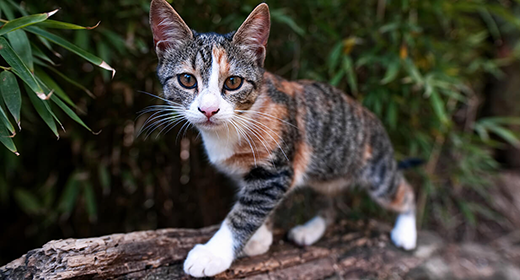
    Answering the question of “can cats eat raw meat?” or “is raw meat good for kittens” requires a thorough study of various factors. Cats require special attention to their nutritional needs. As carnivores, meat is their staple meal. Therefore, there are many myths about feeding kitten raw meat diet. While feeding kitten raw meat is a commonly occurring practice, it might not always be a healthy choice. When kitten’s are under 3 to 4 weeks old, their bodies are not equipped to digest raw meat. So, if you are thinking of considering raw food diet for kittens and cats, let’s understand the risks it entails.


    Why shouldn’t kittens and cats eat raw meat?


    So, can kittens eat raw chicken? Well, while there are people who believe that feeding kittens raw meat is not harmful, it is crucial to explore the counterarguments and concerns raised by veterinarians. The following points shed light on why it is important to be cautious when considering a raw diet for kittens:


    Bacterial contamination: 

    Feeding kitten raw meat carries a higher risk of bacterial contamination, including harmful bacteria like Salmonella and E. coli. Kittens, with their developing immune systems, are particularly vulnerable to these pathogens, which can lead to severe health issues. Hence, the answer to whether can kittens eat raw chicken is always - no.


    Nutritional imbalances: 

    If wondering is raw meat good for kittens and cats, then you must know raw meat might contain a lot of impurities which hampers its nutritional value. Providing a well-balanced diet is crucial for a cat’s well-being. Raw food diet for kittens and cats may lack essential nutrients if not properly formulated, potentially leading to nutritional imbalances that can affect their overall health and development.


    Bone hazards: 

    The simple answer to, can kittens eat raw meat is a clear no. A raw diet for kittens often comes with the risk of bones, which can pose a choking hazard or cause internal injuries. The brittle nature of cooked bones is absent in raw bones, making them potentially dangerous for young and inexperienced eaters. This risk adds another layer of concern when considering a raw food diet for kittens.


    Safer alternatives to feeding raw meat for cats and kittens


    Now that you know the answer to ‘is raw meat good for kittens?’, it becomes essential to look for potential alternatives to meet your feline’s dietary needs. Recognising the potential risks associated with feeding kitten raw meat prompts the search for safer options that meet their nutritional needs. Commercially available kitten food, whether in the form of wet food or kibble, emerges as a widely accepted and safer alternative for cats.


    Wet food


    Wet kitten food provides a high moisture content, aiding in hydration, especially for kittens who do not drink enough water. It often comes in convenient portion sizes, making it easy to control portioning and monitor the kitten's intake. The soft texture is gentle on their teeth, and the variety of flavours caters to different preferences, encouraging a healthy appetite.


    Kibble


    Kibble, or dry kitten food, offers convenience and dental benefits. The crunchy texture promotes dental health by helping reduce plaque and tartar buildup. It often comes in larger quantities, making it cost-effective and easy to store. Kitten kibbles are formulated to meet the specific nutritional requirements for growth and development.


    Both wet food and kibble provide a balanced and nutritionally complete diet for kittens, eliminating the potential risks associated with a raw diet for kittens. So, if you are looking for a safer and more suitable alternative for your feline friend, these are the right food options. At IAMS, we offer a range of cat kibbles that are scientifically developed to meet their dietary needs. What’s more? Every recipe here is made with love, so your feline friend can relish each bite of its meal.


    What should you do if your kitten eats raw meat?


    Can kittens eat raw meat? Well, cats and kittens can eat raw meat by accident. However, feeding kittens raw meat is not recommended. In such cases, prompt action is crucial. Monitor it for any signs of distress or illness, such as vomiting, diarrhoea, or lethargy. Contacting a veterinarian immediately is recommended for professional guidance tailored to the specific situation. In some cases, observation at home may suffice, while in others, prompt veterinary intervention may be necessary. The veterinarian can assess the potential risks, recommend necessary treatments, and guide the parent on monitoring the pet’s health in the coming days to ensure a swift recovery. Always keep emergency contact information for your veterinarian readily available in case such situations arise.


    “Is feeding kittens raw meat correct?” is a complex question that requires careful monitoring and research, along with veterinary consultation, to be answered correctly. A cat’s age, general health, and unique dietary needs all play a role in determining if a raw diet can be beneficial or harmful for your little feline companion. Achieving the right balance between meeting the nutritional needs of your cat and ensuring hygiene, highlights the importance of informed decision-making. Hence, the response to can kitten eat raw meat, is always a bit no. When making this dietary choice, communication with a trusted veterinarian will help you foster a healthy life for your fur baby.

    Myths About Feeding Your Kitten a Raw Meat Diet
    Myths About Feeding Your Kitten a Raw Meat Diet
Close modal