Enter a keyword below to search for articles and products.
How can you help your kitten live a long and healthy life? Although you can’t predict the health of your cat with certainty, you can increase the probability of both her general health and a long life through proper care that begins as soon as you bring her home. Your veterinarian can advise further on these five key considerations for taking care of your kitten.
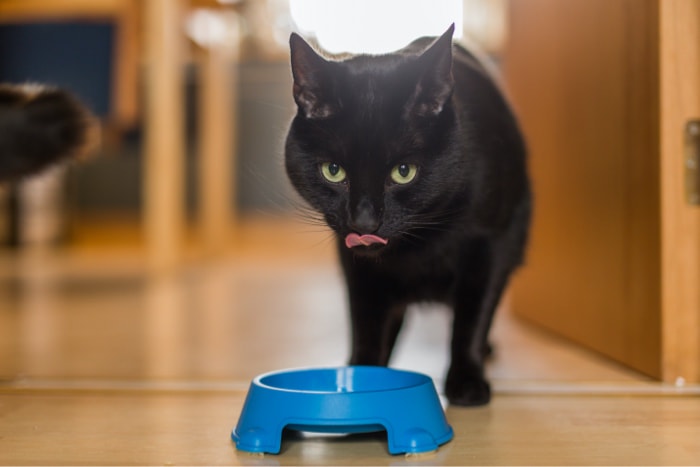
Feed your kitten high-quality food designed to meet nutritional needs during specific stages of her life. Your kitten’s nutritional requirements will depend on her life stage and lifestyle. No matter the life stage, cats are carnivores and require nutrients from animal protein and fat for optimal health.
Prevent obesity with prudent portion control and frequent play activities. Exercise relieves stress, reduces aggression and keeps cats alert. Just 15 to 30 minutes of play a day can help keep your cat in shape and strengthen the bond between the two of you. In addition, getting your kitten used to playtime early on will help you get used to playing with your cat routinely.
Keep your kitten inside to help reduce the risk of illness or injury from accidents, fights and disease. As your kitten gets older, you can help avoid the stress of harassment from other animals by keeping your kitten inside. You should make your home safe by protecting your cat from environmental dangers, such as household cleaners and secondhand smoke. Cats frequently groom themselves with their tongues, and over time, even small amounts of harmful chemicals can have adverse effects.
Groom your kitten early and often to get her used to brushing. When brushing, check for bumps or abnormalities, and promptly seek veterinary advice if you discover anything suspicious. Take your cat to the veterinarian at least annually for a complete physical exam, and follow your veterinarian’s advice regarding preventive health care measures.
Your veterinarian may also recommend periodic professional cleaning of your cat’s teeth, which may preserve years of her life.
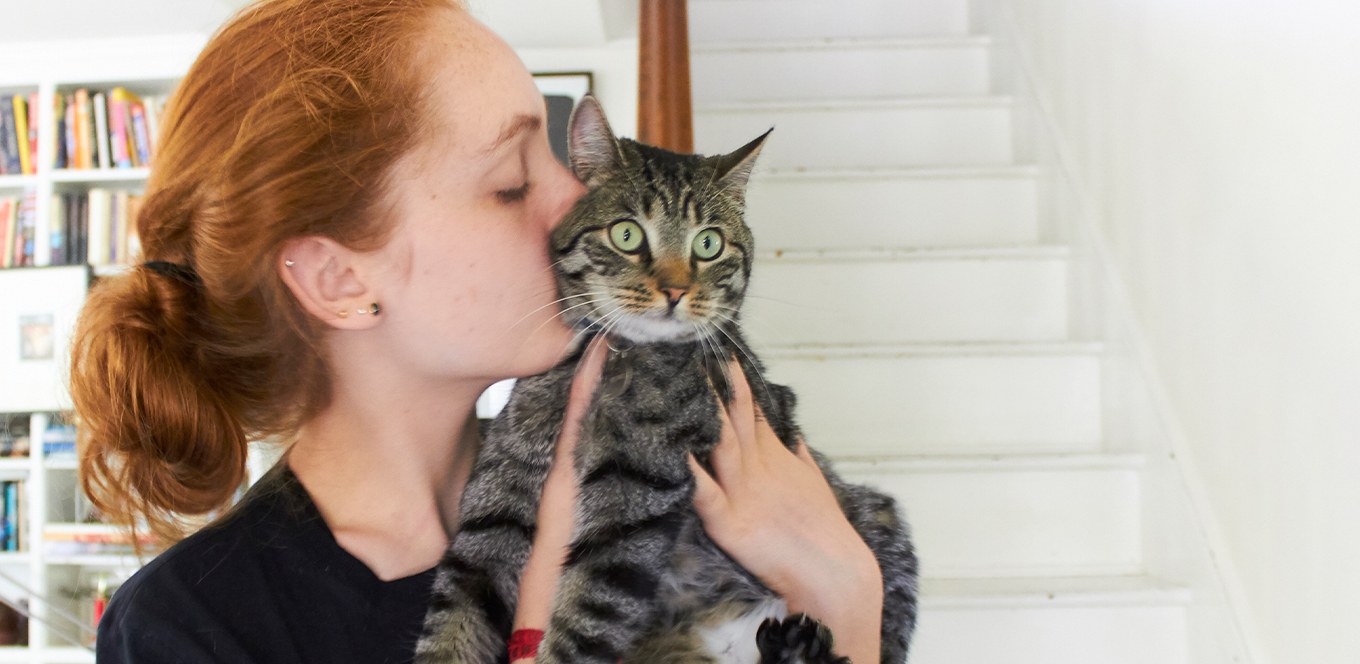
Last but not least, give your cat lots of love! Despite some cats’ aloof demeanor, all cats thrive on affection. Both you and your cat will reap the benefits of spending quality time together.
It was once thought that one year in the life of a cat was equivalent to seven years of a human life. Below is a revised way of looking at how a cat year stacks up to a human year.
| Cat Age | Human Age |
|---|---|
| 6 months | 10 years |
| 8 months | 13 years |
| 10 months | 14 years |
| 1 year | 15 years |
| 18 months | 20 years |
| 2 years | 24 years |
| 3 years | 28 years |
| 4 years | 32 years |
| 5 years | 36 years |
| 6 years | 40 years |
| 7 years | 44 years |
| 8 years | 48 years |
| 9 years | 52 years |
| 10 years | 56 years |
| 11 years | 60 years |
| 12 years | 64 years |
| 13 years | 68 years |
| 14 years | 72 years |
| 15 years | 76 years |
| 16 years | 80 years |
| 17 years | 84 years |
| 18 years | 88 years |
| 19 years | 92 years |
| 20 years | 96 years |
| 21 years | 100 years |

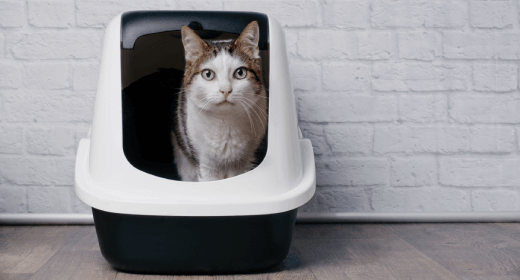
UTI, also known as Urinary Tract Infections, are any infection in the urinary system. Such infections are not common in cats. In fact, not every cat with UTI symptoms has a urinary tract infection. According to NCBI, only one to two percent of cats suffer from urinary tract infections. However, UTIs resemble several other feline diseases; hence, it is imperative to visit a vet for further diagnosis.
Since Urinary Tract Infections can cause severe pain and discomfort, every cat parent must learn about cat UTI symptoms. Here are a few major UTI symptoms in cats:
Blood in the urine
Constant licking of the urinary opening
Crying out while passing urine
Urinating outside the litter box
In order to diagnose UTI in cats, veterinarians first test urine samples. This test helps them detect any bacteria in the urine. Doctors directly draw urine from the bladder with a needle to avoid contamination. Once the urine sample is tested, the vet will then isolate the bacteria to study it further. This step is called the Culture and Sensitivity test. It helps determine the right medicines based on the cat's infection.
First-time infections or acute infections are generally cured using broad-spectrum antibiotics. However, if your cat is suffering from a chronic infection, the vet might recommend additional tests to start bacteria-specific medication.
There are multiple factors that can lead to UTI in cats. Let's explore a few common causes of cat UTI:
Replacement of the urinary catheter
Bladder stone
Issues with the cat's gastrointestinal tract
Although UTI is rare in cats, it's best to take the right measures to prevent it at all costs. Here are a few points on how to prevent UTI in cats:
There are multiple cat UTI home remedies like cranberry juice, apple cider vinegar, bone broth, etc. And most of them are believed to alleviate the symptoms of UTI. However, we do not know if these remedies heal you completely. Hence, it is best to consult a veterinary doctor for cat UTIs. Moreover, in some cases, especially if left untreated, UTIs can be recurrent. The vet will provide the right medication to get rid of the bacteria.