Enter a keyword below to search for articles and products.
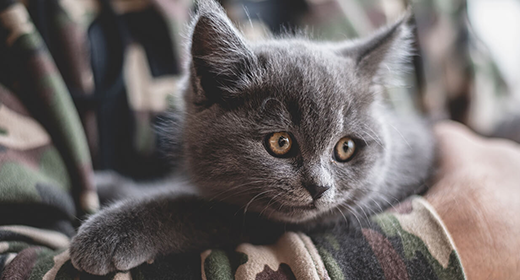
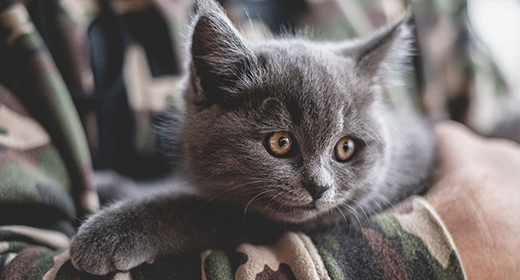
How can you help your kitten live a long and healthy life? Although you can’t predict the health of your cat with certainty, you can increase the probability of both her general health and a long life through proper care that begins as soon as you bring her home. Your veterinarian can advise further on these five key considerations for taking care of your kitten.
Feed your kitten high-quality food designed to meet nutritional needs during specific stages of her life. Your kitten’s nutritional requirements will depend on her life stage and lifestyle. No matter the life stage, cats are carnivores and require nutrients from animal protein and fat for optimal health.
Prevent obesity with prudent portion control and frequent play activities. Exercise relieves stress, reduces aggression and keeps cats alert. Just 15 to 30 minutes of play a day can help keep your cat in shape and strengthen the bond between the two of you. In addition, getting your kitten used to playtime early on will help you get used to playing with your cat routinely.
Keep your kitten inside to help reduce the risk of illness or injury from accidents, fights and disease. As your kitten gets older, you can help avoid the stress of harassment from other animals by keeping your kitten inside. You should make your home safe by protecting your cat from environmental dangers, such as household cleaners and secondhand smoke. Cats frequently groom themselves with their tongues, and over time, even small amounts of harmful chemicals can have adverse effects.
Groom your kitten early and often to get her used to brushing. When brushing, check for bumps or abnormalities, and promptly seek veterinary advice if you discover anything suspicious. Take your cat to the veterinarian at least annually for a complete physical exam, and follow your veterinarian’s advice regarding preventive health care measures.
Your veterinarian may also recommend periodic professional cleaning of your cat’s teeth, which may preserve years of her life.
Last but not least, give your cat lots of love! Despite some cats’ aloof demeanor, all cats thrive on affection. Both you and your cat will reap the benefits of spending quality time together.
It was once thought that one year in the life of a cat was equivalent to seven years of a human life. Below is a revised way of looking at how a cat year stacks up to a human year.
| Cat Age | Human Age |
|---|---|
| 6 months | 10 years |
| 8 months | 13 years |
| 10 months | 14 years |
| 1 year | 15 years |
| 18 months | 20 years |
| 2 years | 24 years |
| 3 years | 28 years |
| 4 years | 32 years |
| 5 years | 36 years |
| 6 years | 40 years |
| 7 years | 44 years |
| 8 years | 48 years |
| 9 years | 52 years |
| 10 years | 56 years |
| 11 years | 60 years |
| 12 years | 64 years |
| 13 years | 68 years |
| 14 years | 72 years |
| 15 years | 76 years |
| 16 years | 80 years |
| 17 years | 84 years |
| 18 years | 88 years |
| 19 years | 92 years |
| 20 years | 96 years |
| 21 years | 100 years |
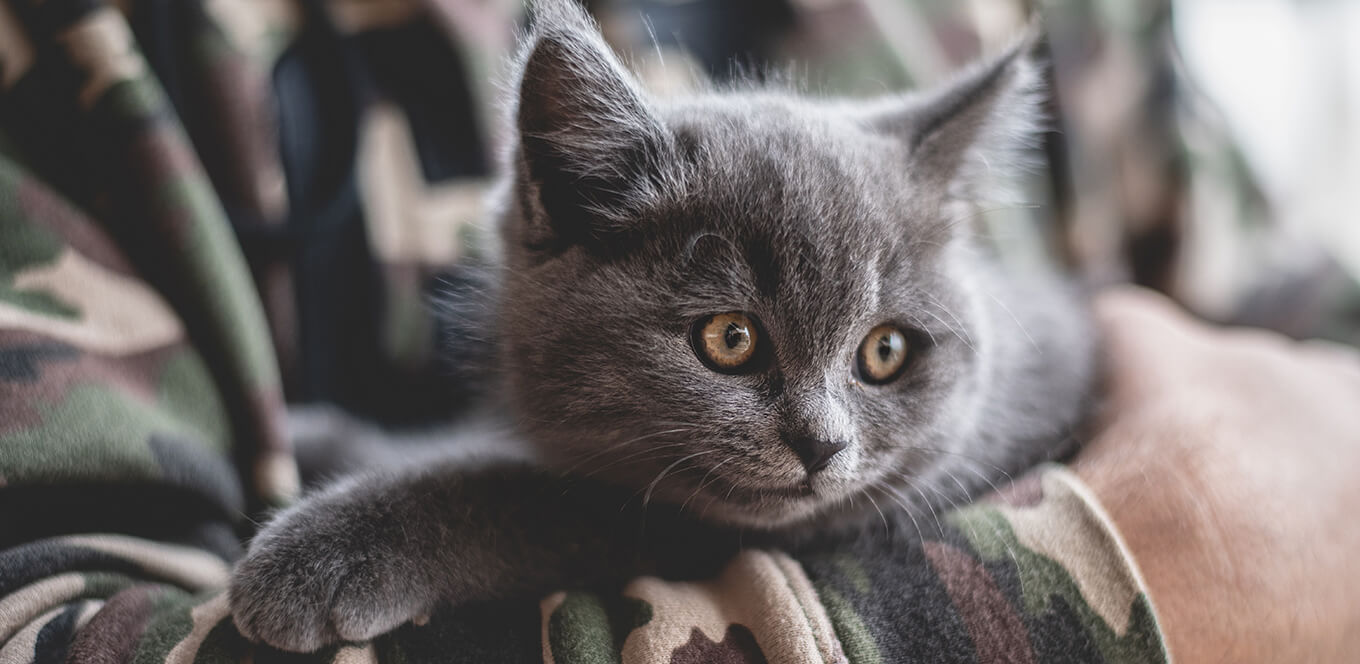

Answering the question of “can cats eat raw meat?” or “is raw meat good for kittens” requires a thorough study of various factors. Cats require special attention to their nutritional needs. As carnivores, meat is their staple meal. Therefore, there are many myths about feeding kitten raw meat diet. While feeding kitten raw meat is a commonly occurring practice, it might not always be a healthy choice. When kitten’s are under 3 to 4 weeks old, their bodies are not equipped to digest raw meat. So, if you are thinking of considering raw food diet for kittens and cats, let’s understand the risks it entails.
So, can kittens eat raw chicken? Well, while there are people who believe that feeding kittens raw meat is not harmful, it is crucial to explore the counterarguments and concerns raised by veterinarians. The following points shed light on why it is important to be cautious when considering a raw diet for kittens:
Feeding kitten raw meat carries a higher risk of bacterial contamination, including harmful bacteria like Salmonella and E. coli. Kittens, with their developing immune systems, are particularly vulnerable to these pathogens, which can lead to severe health issues. Hence, the answer to whether can kittens eat raw chicken is always - no.
If wondering is raw meat good for kittens and cats, then you must know raw meat might contain a lot of impurities which hampers its nutritional value. Providing a well-balanced diet is crucial for a cat’s well-being. Raw food diet for kittens and cats may lack essential nutrients if not properly formulated, potentially leading to nutritional imbalances that can affect their overall health and development.
The simple answer to, can kittens eat raw meat is a clear no. A raw diet for kittens often comes with the risk of bones, which can pose a choking hazard or cause internal injuries. The brittle nature of cooked bones is absent in raw bones, making them potentially dangerous for young and inexperienced eaters. This risk adds another layer of concern when considering a raw food diet for kittens.
Now that you know the answer to ‘is raw meat good for kittens?’, it becomes essential to look for potential alternatives to meet your feline’s dietary needs. Recognising the potential risks associated with feeding kitten raw meat prompts the search for safer options that meet their nutritional needs. Commercially available kitten food, whether in the form of wet food or kibble, emerges as a widely accepted and safer alternative for cats.
Wet kitten food provides a high moisture content, aiding in hydration, especially for kittens who do not drink enough water. It often comes in convenient portion sizes, making it easy to control portioning and monitor the kitten's intake. The soft texture is gentle on their teeth, and the variety of flavours caters to different preferences, encouraging a healthy appetite.
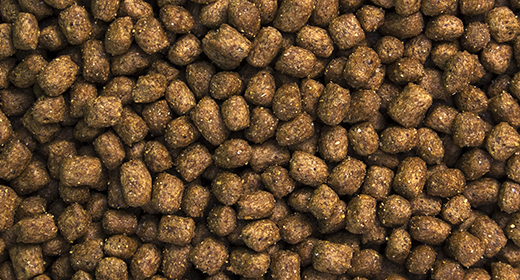
Kibble, or dry kitten food, offers convenience and dental benefits. The crunchy texture promotes dental health by helping reduce plaque and tartar buildup. It often comes in larger quantities, making it cost-effective and easy to store. Kitten kibbles are formulated to meet the specific nutritional requirements for growth and development.
Both wet food and kibble provide a balanced and nutritionally complete diet for kittens, eliminating the potential risks associated with a raw diet for kittens. So, if you are looking for a safer and more suitable alternative for your feline friend, these are the right food options. At IAMS, we offer a range of cat kibbles that are scientifically developed to meet their dietary needs. What’s more? Every recipe here is made with love, so your feline friend can relish each bite of its meal.
Can kittens eat raw meat? Well, cats and kittens can eat raw meat by accident. However, feeding kittens raw meat is not recommended. In such cases, prompt action is crucial. Monitor it for any signs of distress or illness, such as vomiting, diarrhoea, or lethargy. Contacting a veterinarian immediately is recommended for professional guidance tailored to the specific situation. In some cases, observation at home may suffice, while in others, prompt veterinary intervention may be necessary. The veterinarian can assess the potential risks, recommend necessary treatments, and guide the parent on monitoring the pet’s health in the coming days to ensure a swift recovery. Always keep emergency contact information for your veterinarian readily available in case such situations arise.
“Is feeding kittens raw meat correct?” is a complex question that requires careful monitoring and research, along with veterinary consultation, to be answered correctly. A cat’s age, general health, and unique dietary needs all play a role in determining if a raw diet can be beneficial or harmful for your little feline companion. Achieving the right balance between meeting the nutritional needs of your cat and ensuring hygiene, highlights the importance of informed decision-making. Hence, the response to can kitten eat raw meat, is always a bit no. When making this dietary choice, communication with a trusted veterinarian will help you foster a healthy life for your fur baby.